
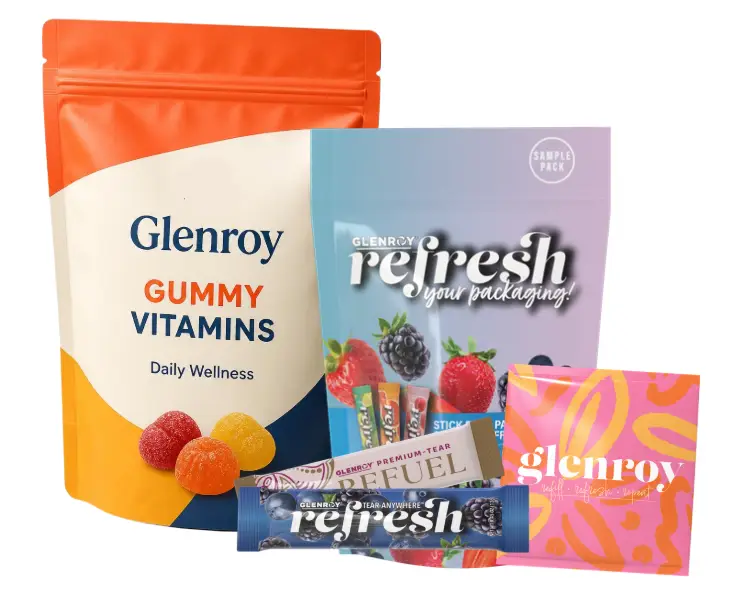
Supplement Packaging: What Brands Should Consider Before Choosing
At a Glance: Supplement packaging is the set of materials and formats that hold and protect a dietary supplement, from the film touching the product to the carton on the shelf. Choosing well means matching the format to your product chemistry, your dose, your regulatory requirements, and how the customer uses it.
Get it right, and the product reaches the customer fresh, compliant, and recognizable on a crowded shelf. Get it wrong, and you are looking at clumping powder, failed seals, or a package that sells worse.
Roughly 75% of Americans take dietary supplements, according to the CRN 2024 Consumer Survey. In a crowded aisle, a supplement brand’s packaging is doing more selling than most realize.
Start With the Product, Not the Package
The formulation drives everything else. Before you look at any format, get clear on what you are protecting.

- Moisture sensitivity: Many active ingredients clump, degrade, or lose potency when they pick up moisture; with effervescent blends, the extreme case.
- Oxygen sensitivity: A fatty acid like omega-3, plus probiotics and some vitamins, oxidizes and goes rancid or inactive with air exposure.
- Light sensitivity: Certain vitamins break down under UV, which changes what barrier you need.
- Fill form: A powder, a capsule, a chewable tablet, and a liquid each want a different packaging format.
Your shelf life target sets the barrier requirement. A supplement that has to hold potency for two years needs a higher barrier than one moving through fast. (For a deeper look at barrier and spoilage, see our guide to food packaging and shelf life.)
The problem with a weak barrier is timing. It looks fine on day one and fails months later on a retailer’s shelf, long after you could have caught it.
Match the Format to the Dose and the Channel
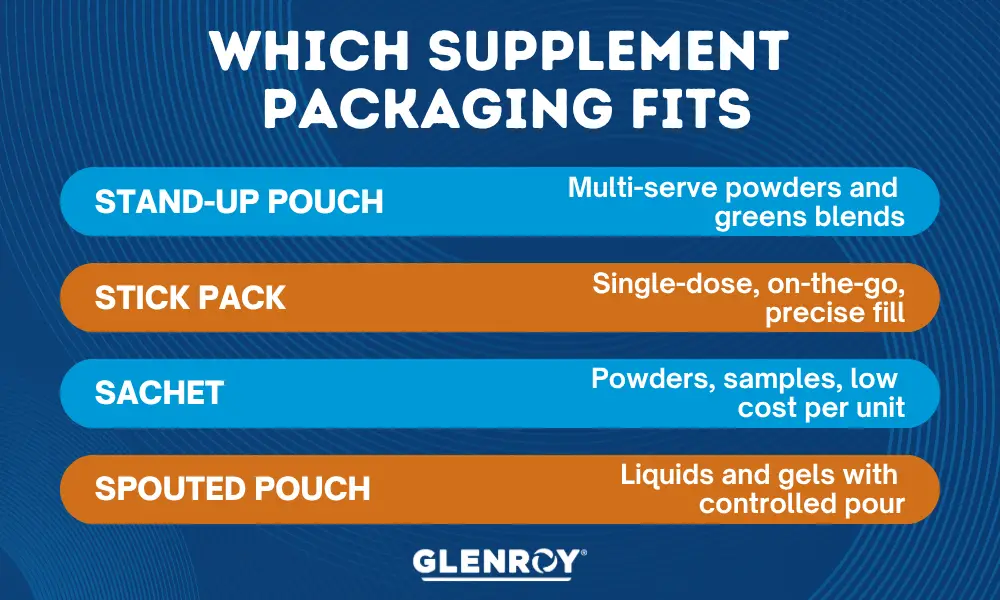
Dietary supplement packaging comes in several packaging types, from single-dose sticks to a resealable storage pouch, each fitting a different product and buying habit.
Stand-Up Pouches
A flexible pouch that stands, holds volume, and prints well, good for protein powders, greens blends, and multi-serving products.
- Strong shelf presence and a large print area for brand recognition
- Resealable zippers keep product fresh after opening
- Lighter than rigid tubs, cutting shipping weight
Stick Packs
The single-dose format that has taken over on-the-go supplements.
- Slim, portable, and pocket-friendly
- Precise single-dose fill for accurate dosing
- Tear notches give a clean open without scissors
- Ideal for electrolyte mixes, powdered vitamins, and soluble fiber
Sachets
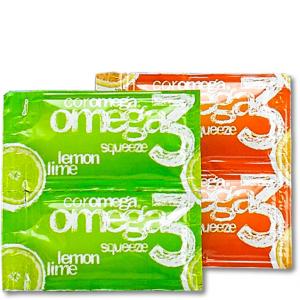
A flat single-serve pouch, often square. Like a stick pack but wider, sachets suit powders and small-volume liquids at low cost per unit, and work well for samples and trial sizes.
Spouted Pouches
A flexible pouch with a spout for liquids and gels.
- Controlled dispensing with a secure closing cap
- Pouch portability with the dosing control of a bottle
- Good for liquid supplements and gel shots
Barrier Performance Is the Part You Cannot See
Shelf appeal sells the first unit. Barrier performance is what makes the customer buy the second one, because the product worked. Barrier comes from the film structure, not the format: the same stick pack can be built for a low-barrier drink mix or a high-barrier probiotic, depending on the layers you specify. What drives it:
- Foil or metallized layers for the highest oxygen, moisture, and light protection
- Coated or high-barrier films where you want a printable surface with strong barrier
- Sealant selection for seal integrity through the specific product you are filling
A high-barrier film lamination protects potency and extends shelf life, the difference between a supplement that delivers its label claim at expiration and one that quietly loses strength.
Regulatory Requirements Are Not Optional
Supplement packaging sits under real rules. Meeting them is a legal requirement, and getting them wrong is expensive.
In the United States, dietary supplements fall under the Federal Food, Drug, and Cosmetic Act, and the Food and Drug Administration sets labeling and safety expectations. Packaging plays a direct role in several requirements, and brands are responsible for ensuring their packaging is compliant.
Settle these early, because changing a structure or label layout after tooling is cut costs real money and time.
Convenience Is a Feature That Sells
The consumer experience is part of performance, and a package that frustrates the customer does not get repurchased. Features that earn their place:
- Tear notches, laser-scoring, and/or Tear-Anywhere films for a clean open without tools
- Resealable zippers on multi-serve pouches to hold freshness, including premium tactile zippers and slider zippers to best work with the product inside and provide an improved customer experience
- Spouts with a secure closing cap so the customer knows their pouch is sealed
These are functional benefits. Accurate dosing, a clean opening, and a reliable reseal all show up in reviews and repeat purchase rates.
Shelf Presence in a Competitive Market
The supplement aisle is crowded and growing, and shelf presence decides which product a shopper picks up.
- High-quality print carries brand recognition, holding your brand identity across every run
- Format shape differentiates a stand-up or spouted pouch against a wall of identical bottles
- Finishes signal quality: matte reads as a premium supplement, bright metallic reads as energy
Packaging design is where protection and presentation meet. The best supplement packaging solutions do both at once rather than trading one for the other.
Sustainability, Measured Honestly
Supplement buyers increasingly look at the package, not only the product. Sustainable packaging is a real selling point, but only the parts you can validate are worth claiming.
What actually moves the number:
- Downgauging the film to reduce packaging materials without losing barrier
- Recyclable-ready structures that keep the package in a real collection stream
- PCR content where the structure and regulations allow it
- Lighter weight and less plastic usage than rigid bottles, cutting shipping emissions across the supply chain
Flexible packaging already uses less material by weight than rigid tubs and bottles for the same volume. That is a measurable advantage, not a green claim.
The honest caveat: a structure is only recyclable if it has somewhere to go. A mono-material pouch built from a single polymer family is far easier to recycle than a mixed laminate, but most municipalities do not offer curbside recycling of mono-material pouches and instead suggest store drop-off programs. Sustainable flexible packaging means designing for the collection reality that exists, not the one on a brochure.
Do Not Forget Secondary Packaging and the Line
Two things brands underweight until they bite. Secondary packaging, the carton or display holding your primary units, affects freight, shelf stocking, and transit protection, so design it alongside the primary rather than bolting it on at the end.
Line performance is the other. The best packaging on paper is worthless if it will not run, and film that jams the filler or seals that fail intermittently means missed launch dates. Format and fill method go together: a powder on a vertical form-fill-seal line wants a different film than a liquid on a spouted-pouch filler. Getting film specification, seal design, and filling-line behavior right up front protects operational efficiency and means fewer surprises at scale. Runnability is a performance factor, and films engineered specifically to seal through contamination from the product have better performance results, less downtime, and less waste.
Supplement Packaging That Protects and Sells
The right packaging solution comes from your product chemistry, dose, channel, and regulatory requirements. Stand-up pouches suit multi-serve powders. Stick packs and sachets fit single-dose and on-the-go. Spouted pouches handle liquids. Barrier comes from the structure underneath, and runnability decides whether any of it works at scale.
Glenroy has engineered flexible packaging for dietary supplements, vitamins, and protein powders for decades, with all printing, laminating, and pouch converting done in the United States. Our nutraceutical packaging covers stand-up pouches, spouted pouches, and stick pack films built for barrier, seal integrity, and filling-line performance. Our on-site packaging engineers help you match structure to formulation before you commit to tooling.
Tell us what you are packing and how it sells. Contact us, and we will help you land on packaging that protects the product and moves it off the shelf.