
Custom Engineered Laminations
Custom Engineered Laminations
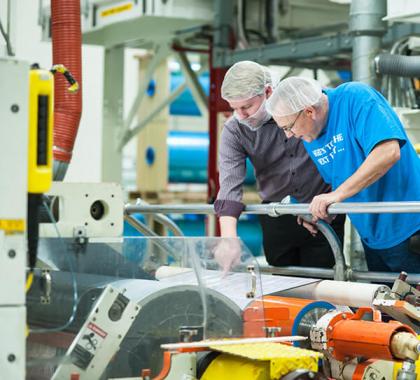
While some flexible packaging manufacturers offer a standard catalog of materials, Glenroy has engineered customized laminated packaging structures since 1965. We design around your product, filling equipment, shelf-life targets, and distribution methods, working with a wide range of films, foils, papers, and resins to deliver optimal, cost-effective laminations built for your application’s exact needs.
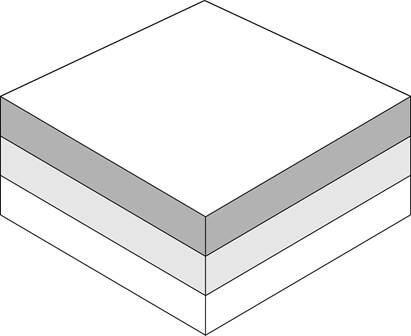
How Laminated Packaging Works
A flexible packaging structure consists of multiple layers of material laminated together, with each layer playing a specific role in performance and presentation. The lamination process bonds these layers into a single, high-performance film that delivers strength, barrier properties, and shelf appeal.
Each layer provides specific performance characteristics, including:
- Oxygen, moisture, and light resistance
- Chemical resistance
- Puncture resistance
- Tear resistance
- Rigidity
- Glossy or matte appearance
- Opacity or translucency
- Heat sealability
- Print receptivity
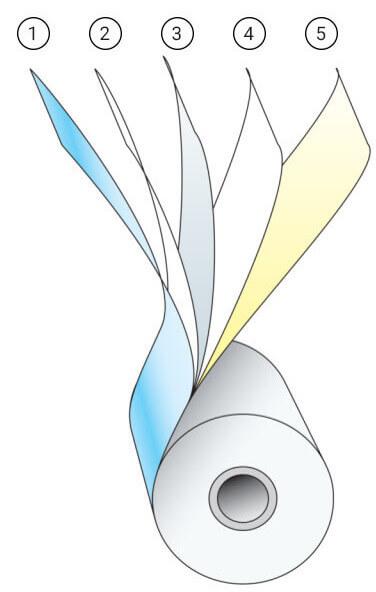
Anatomy of a Five-Layer Laminated Structure
The example below shows the duties each layer performs within a basic five-layer extrusion laminated flexible packaging structure:
- Exterior Layer
-
- Provides a dimensionally stable print surface
- Protects the ink
- Protects the barrier layer
- Contributes to burst strength and tear resistance
- Adds to overall pouch strength
- Tie Layer
-
- Provides another layer of protection for the barrier layer
- Bonds the outside layer to the barrier layer
- Can hide the color of the barrier layer
- Barrier Layer
-
- Provides chemical resistance
- Prevents moisture, light, and oxygen transmission
- Tie Layer
-
- Bonds the barrier layer to the sealant layer film
- Provides additional protection for the barrier layer
- Sealant Layer
-
- Allows the flexible packaging structure to be heat-sealable
- Provides burst strength
- Seals the product within
- Protects the barrier layer
Engineered for Your Product and Industry
Based on your regulatory, cost, and aesthetic requirements, packaging equipment, product formulation, life cycle, and distribution methods, we custom-engineer the optimal flexible packaging structure for your product. No two products have the same packaging needs. Dry goods need a different lamination than chemically aggressive cleaners, and a stand-up pouch for pet food has different barrier and puncture needs than a spouted pouch for personal care refills.
Glenroy’s custom-engineered laminations serve brands across the packaging industry, including:
- Food packaging for snacks, baked goods, and dry goods
- Pet food and treats
- Nutraceuticals and dietary supplements
- Personal care and cosmetic items
- Household and chemical products
Why Brands Trust Glenroy for Laminated Packaging
For 60 years, leading brands have relied on Glenroy to engineer flexible packaging laminations that perform. Our U.S.-based manufacturing, in-house technical expertise, and award-winning flexographic printing deliver laminated materials that meet your packaging needs from prototype through full production.
Brands today also expect flexible packaging to perform on sustainability. Glenroy engineers recyclable film structures, post-consumer recycled (PCR) options, and lightweight laminations that reduce raw material use and lower the carbon footprint of your supply chain, all without sacrificing the barrier protection your products require.
Frequently Asked Questions
What is laminated packaging?
Laminated packaging is a flexible packaging structure made by bonding multiple layers of material together into a single high-performance film. Each layer in the lamination serves a specific function, such as providing a print surface, blocking oxygen and moisture, or sealing the package closed. The lamination process combines films, foils, papers, and resins to deliver barrier protection, durability, and shelf appeal that no single layer could provide on its own.
What materials can be used in custom engineered laminations?
Glenroy works with a wide range of raw materials, including polyester, polyethylene, polypropylene, nylon, aluminum foil, metallized films, paper substrates, and specialty resins. The right combination depends on your product’s barrier needs, mechanical properties, regulatory requirements, and sustainability goals. Our packaging engineers recommend the optimal structure based on your full set of application needs.
How does laminated packaging extend shelf life?
The barrier layer in a laminated structure blocks oxygen, moisture, and light, three of the most common causes of product degradation. By controlling what reaches the product inside, custom engineered laminations help maintain freshness, flavor, potency, and product integrity longer than single-layer films or less protective formats. For oxygen-sensitive products like nutraceuticals and pet food, this can mean a significant extension of usable shelf life.
Can laminated packaging be recycled?
Yes. Glenroy engineers recyclable film structures, including all-polyethylene laminations that qualify for the How2Recycle® store drop-off program. We also offer post-consumer recycled (PCR) laminations made from materials reclaimed through the recycling process, plus lightweight structures that reduce overall raw material use. Recyclable laminated packaging gives brands a sustainable packaging solution without giving up the barrier protection their products require.
What packaging formats can custom laminations be made into?
Custom engineered laminations can be converted into a variety of formats, including stand-up pouches, spouted pouches, stick packs, and sachets for high-speed form-fill-seal operations. Glenroy has some of the most extensive in-house pouch converting capabilities in the industry, allowing us to take your lamination from raw material to finished package under one roof.
How do I get started on a custom lamination project with Glenroy?
Reach out to our team with your product details, performance requirements, filling equipment specs, and any sustainability goals. Our packaging engineers will recommend a custom lamination structure designed for your specific product, run compatibility and barrier testing as needed, and guide you through prototyping and production. Every project starts with a conversation about your packaging needs.