

The Future of PCR (Post-Consumer Recycled) Films in Packaging
QuickAnswer: PCR packaging represents the next evolution in sustainable packaging materials, offering the same protective properties as virgin plastic while incorporating recycled plastic content. These PCR materials help companies reduce their environmental impact while maintaining product safety and quality standards.
The packaging industry stands at a turning point as environmental concerns reshape consumer demand and regulatory compliance. Traditional plastic packaging contributes significantly to plastic waste, driving an urgent need for sustainable packaging solutions that don’t compromise product protection. PCR plastic has emerged as a practical solution, incorporating post-consumer resin while maintaining the high-performance standards required for nutritional, personal care, and pharmaceutical use.
Recent studies demonstrate the remarkable positive impact of PCR packaging solutions. When compared to conventional plastic containers and glass packaging, PCR material applications reduce fossil fuel consumption and carbon emissions. Additionally, these innovations cut water usage and decrease landfill waste, even when accounting for current recycling process rates.
Quick Stats
- PCR plastic options at Glenroy contains up to 54% post-consumer resin
- Sourced primarily from recycled plastic beverage bottles
- Safe & certified for direct food contact
- Provides reliable barrier properties for moisture and oxygen protection

Understanding PCR Films Technology
What are PCR Films?
Post-consumer recycled (PCR) films represent a breakthrough in sustainable flexible packaging. These films are made from recycled plastics that have already served a consumer purpose—such as beverage bottles, food containers, or household packaging—and are then collected, sorted, cleaned, and processed intohigh-quality resin.
This resin is used to create new, high-performance films suitable for various industries, from personal care to pharmaceuticals. The recycling and reprocessing cycle keeps valuable materials in use while reducing the need for virgin plastic derived from fossil fuels.
Glenroy’s TruRenu® PCR laminations offer manufacturers a practical and scalable solution to lower environmental impact. These laminations deliver the same durability, seal integrity, and print quality expected from premium flexible packaging films.
Technical Specifications
Modern PCR films combine sustainability with science. Through advanced lamination and extrusion technologies, PCR materials maintain strong barrier performance while reducing virgin resin use.
Multilayer Structure:
Combines PCR resin with virgin material layers for strength, sealability, and performance consistency.
Barrier Protection:
Provides excellent resistance to oxygen and moisture, ensuring product stability and shelf life across multiple categories.
Regulatory Compliance:
Meets stringent FDA requirements for food-contact applications and pharmaceutical safety.
Production Compatibility:
Runs efficiently on existing form-fill-seal machinery and pouching lines, minimizing the need for equipment modification.
Glenroy’s TruRenu® laminations incorporate superior coating technology, enhancing seal strength and capability for sealing through powder contamination- ideal for stick packs, sachets, and high-speed production environments.
The result: a film that performs like virgin material while advancing sustainable manufacturing goals.
Comparison with Traditional Films
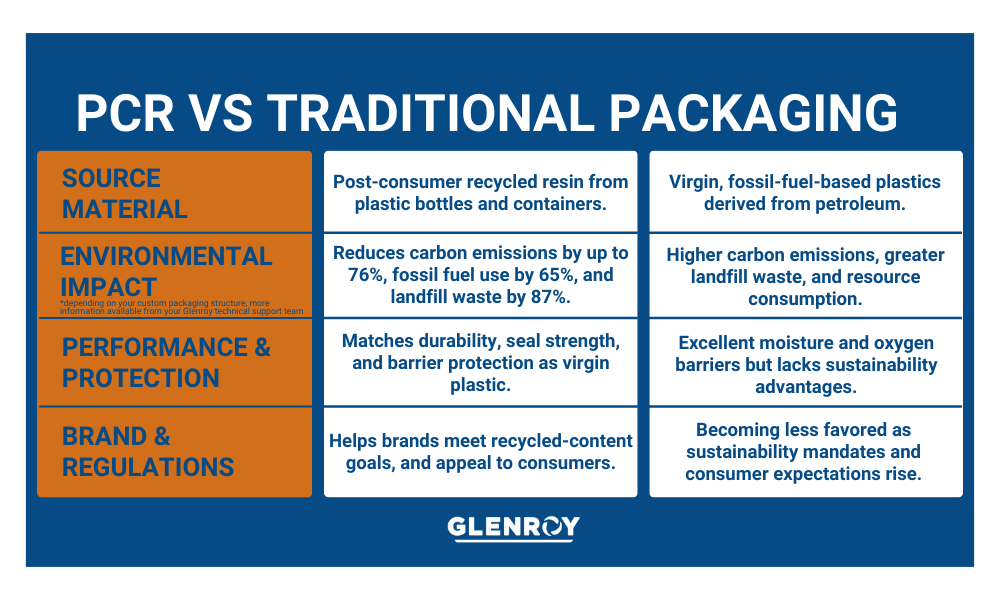
When compared to conventional packaging materials, PCR plastic delivers comparable performance metrics while offering significant environmental advantages. Their moisture and oxygen barrier properties match traditional virgin materials, ensuring product protection and shelf life.
The environmental impact reduction is substantial—each PCR packaging solution reduces reliance on virgin plastic and keeps existing materials in the circular economy. This aligns with circular economy principles, where plastic is viewed not as plastic waste but as a renewable resource. The ability to maintain high-performance standards while incorporating PCR content represents a significant advancement in sustainable packaging technology.
Environmental Impact: Quantifying the Benefits
Sustainability is more than a buzzword—it’s measurable progress. Lifecycle analyses of PCR-based flexible packaging have demonstrated meaningful environmental reductions compared to traditional materials:
- Up to 65% reduction in fossil fuel usage
- Up to 76% lower carbon emissions
- Up to 78% decrease in water consumption
- Up to 87% less landfill waste generated
These figures represent not only an environmental victory but also a business advantage. Companies integrating PCR films into their packaging portfolios can more easily meet corporate sustainability goals, satisfy eco-conscious consumers, and strengthen ESG reporting.
Where PCR Packaging Makes an Impact
How PCR Films Are Used in Personal Care
PCR packaging has become a defining advancement in the personal care industry, where sustainability and brand transparency directly influence purchasing decisions. Flexible PCR plastic films are now used in packaging applications ranging from shampoo and conditioner sachets to lotion refills, facial masks, and cosmetic wipes. These PCR materials combine strength and flexibility, providing brands with packaging that meets performance demands while supporting their environmental commitments.
TruRenu® laminations are used in pouches, sachets, and refills for lotions, conditioners, and cosmetic wipes—providing excellent protection for formulations that include oils or active ingredients while delivering a premium appearance consumers associate with quality. These high-barrier laminations maintain product integrity for formulations containing oils, fragrances, and active ingredients, ensuring long shelf life and visual appeal.
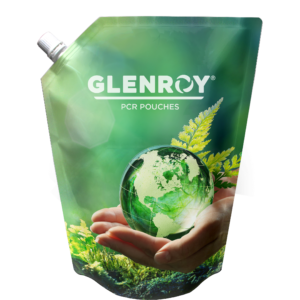
PCR Refill Pouches: 78% Less Plastic than Rigid Bottles
Popular with personal care brands, refill pouches (also known as fitment or spout pouches) are helping brands reduce their carbon footprint because they are lighter weight, use less plastic, and help lower greenhouse gas emission and fossil fuel consumption when compared to rigid packaging. Many products once limited to rigid packaging are now excellent candidates for spouted pouches. Glenroy’s PCR Spouted pouch not only offers the overall environmental benefits of switching to flexible packaging, but also contains up to 37% PCR.
Personal Care Industry Adoption
Leading beauty and personal care brands are rapidly adopting PCR packaging as part of their sustainability pledges. Industry data shows that global cosmetic companies are targeting packaging portfolios made with more recycled content in 2025. Flexible packaging made with PCR films supports this shift, delivering both environmental and marketing value. Consumers increasingly associate recyclable or recycled-content packaging with product quality and responsible manufacturing—two key differentiators in an increasingly competitive category.
Nutritional and Supplement Packaging
For health and wellness brands, PCR packaging offers durability and freshness in a lightweight form. These films are ideal for stick packs, powders, and drink mixes, maintaining moisture and oxygen barriers that keep supplements shelf-stable. PCR materials also communicate eco-conscious values to consumers who prioritize sustainable choices.
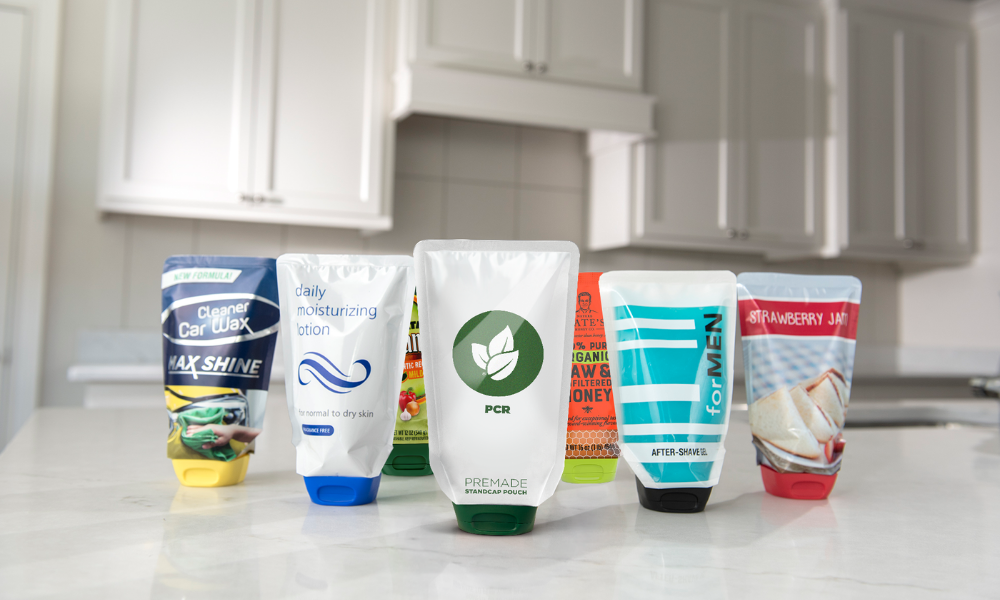
Shaping Tomorrow: The Transformative Impact of PCR Plastic on Packaging Materials
PCR packaging is revolutionizing nutritional, personal care and pharma applications by offering sustainable packaging solutions that address both sustainability goals and functional requirements. As the packaging industry moves toward circular economy principles, these PCR materials demonstrate that recycled plastic can maintain excellent barrier properties while reducing environmental impact. Consumer demand continues to accelerate as brands recognize PCR content’s ability to meet eco-conscious consumers’ expectations without compromising product protection.
Making Sustainable Choices: What You Can Do Today
Experience the next generation of PCR plastic packaging with Glenroy’s TruRenu® PCR Film Laminations and PCR Recycled Pouches. These FDA-approved materials deliver reliable barrier protection for food packaging, pharmaceutical, and personal care products. Ready to make the switch to sustainable packaging materials? Contact Glenroy today to discuss how TruRenu® can help achieve your sustainability goals while maintaining package performance.