

The Short Answer: What Is Refillable Packaging?
Refillable packaging is exactly what it sounds like: packaging designed to be filled, emptied, and filled again. Instead of tossing a container after one use, consumers keep a primary vessel (like a glass bottle or reusable container) and purchase refills to replenish it. This approach cuts down on packaging waste, reduces carbon emissions tied to manufacturing and transportation, and gives brands a smarter way to meet growing consumer demand for sustainable practices.
Refillable packaging falls under the broader category of reusable packaging, which includes any packaging system designed for multiple uses before recycling or disposal. Among the most practical refillable solutions hitting the market? Spouted pouches, also called fitment pouches. These flexible packages feature a built-in spout that makes pouring clean and easy, turning the refill process from a messy chore into a simple, satisfying experience.
Now let’s dig into why this matters and how it actually works.
The Single-Use Problem Nobody Can Ignore
Here’s the uncomfortable truth: single-use packaging has created a plastic pollution crisis that’s impossible to overlook. Plastic bottles pile up in landfills. Single-use plastic clogs waterways. And despite good intentions, recycling rates remain frustratingly low in the United States and at a global level.
The environmental impact is staggering:
| Plastic packaging produced annually | Over 140 million metric tons worldwide |
| Recycling rate for plastic in the U.S. | Less than 10% |
| Time for a plastic bottle to decompose | 450+ years |
| Packaging’s share of total plastic waste | Approximately 40% |
Consumers see this. They feel it. And their buying habits are shifting. Brands that cling to outdated single-use packaging risk losing relevance (and customers) to competitors embracing the circular economy.
How Refillable Packaging Supports a Circular Economy

The circular economy isn’t just a buzzword tossed around at sustainability conferences. It’s a practical framework where materials stay in use as long as possible, waste gets designed out of the system, and natural resources get a break. According to the Ellen MacArthur Foundation, creating a circular economy for plastics requires eliminating problematic packaging, innovating toward reusable and recyclable solutions, and keeping materials circulating in the economy rather than leaking into the environment.
Refillable packaging fits perfectly into this model. Here’s how:
- Reduces raw material demand. When consumers reuse a primary container, fewer new plastic bottles, stainless steel vessels, or glass jars need to be produced.
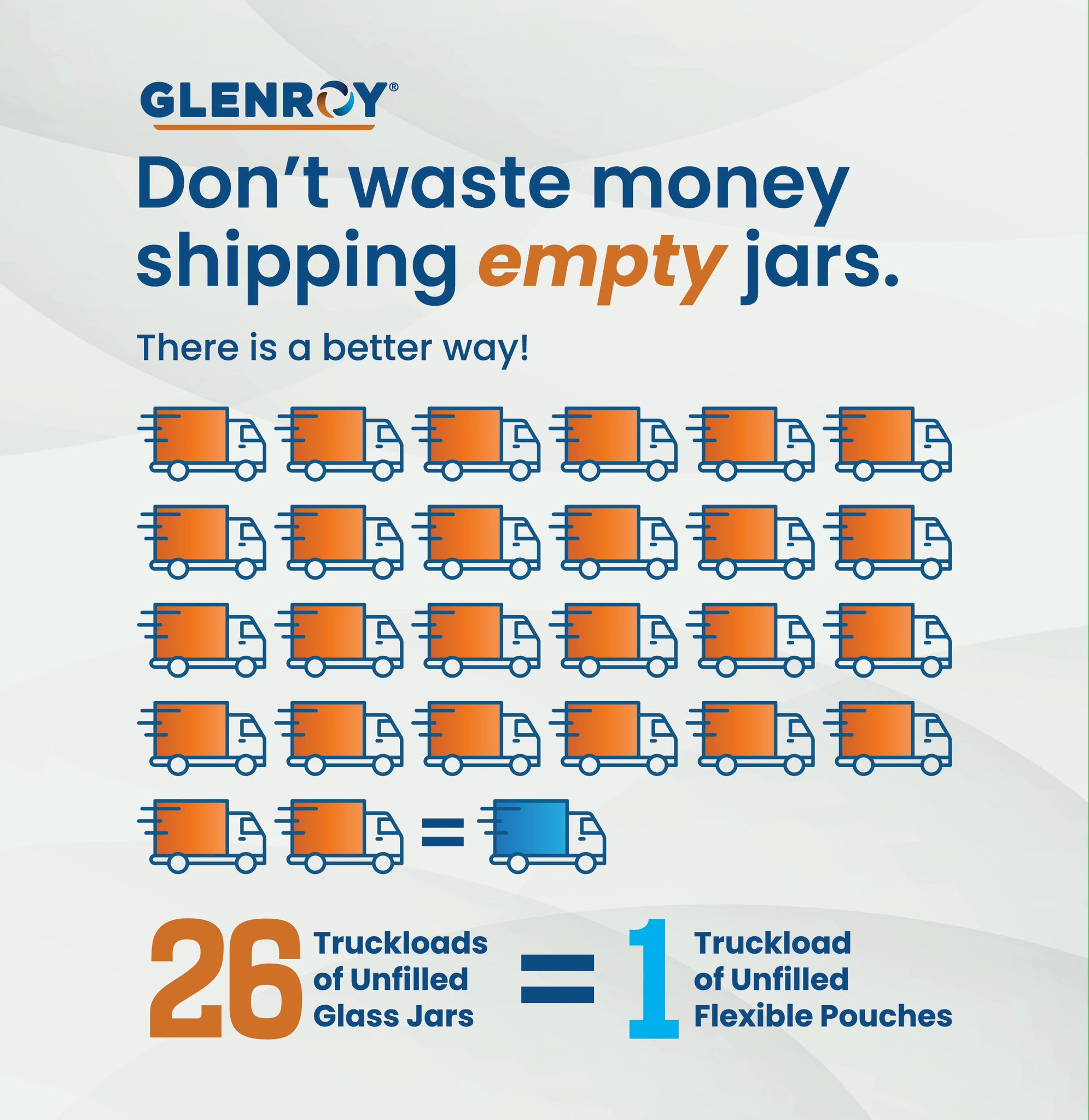
- Cuts transportation costs. Lightweight refill pouches take up less space and weigh less than rigid containers, meaning more product per truckload and lower carbon footprint per shipment.
- Minimizes packaging waste. A refill pouch uses up to 70% less plastic than a traditional rigid bottle. Multiply that across millions of units, and the reduction in plastic waste becomes substantial.
- Encourages consumer behavior change. Refill systems create habits. Once someone invests in a reusable container, they’re more likely to stick with the brand offering convenient refillable options.
This isn’t theoretical. It’s happening right now across various industries, from personal care to food and beverage.
Why Spouted Pouches Make Refilling Actually Work
Not all refillable packaging solutions are created equal. Bulk bins work for some products but create hygiene concerns for others. Refill stations require infrastructure investments that many retailers aren’t ready to make. And asking consumers to pour from a flimsy bag into a narrow bottle opening? That’s a recipe for frustration (and spilled product all over the counter).
Spouted pouches solve these problems elegantly.

The beauty of a well-designed spouted pouch is that it removes friction from the refill process. Consumers don’t need to visit a refill station or wrestle with awkward packaging. They simply buy the pouch and pour it into their empty container.
For brands, this means happier customers, stronger brand loyalty, and a genuine sustainability story.
Industries Embracing Refillable Spouted Pouches
The refillable packaging market isn’t limited to one product category. Smart brands across sectors are recognizing the opportunity.
Personal Care & Beauty
Shampoos, conditioners, lotions, and liquid soaps are natural fits. Consumers keep a beautiful reusable bottle on their shower shelf and purchase pouch refills that cost less and use less packaging. It’s a win for the wallet and the planet.
Household Cleaning Products
From dish soap to all-purpose cleaners, cleaning brands are ditching single-use plastic bottles in favor of refill systems. Spouted pouches for household products make it easy for consumers to top off their spray bottles without the mess.
Food & Beverage
Sauces, oils, beverages, and liquid condiments can all benefit from refillable solutions. The key is maintaining product protection through proper barrier films, something that requires real packaging expertise to get right.
Nutraceuticals & Supplements
Liquid vitamins, protein drinks, and wellness products are joining the movement. Consumers in this space tend to be highly motivated by sustainability, making refillable options for nutraceuticals especially appealing.
The Environmental and Business Case for Refillable Pouches
The Flexible Packaging Association has documented that flexible packaging consistently outperforms rigid alternatives across key environmental metrics. When comparing life cycle assessments, flexible formats like spouted pouches show preferable results for carbon impact, fossil fuel usage, water consumption, and material sent to landfill.
But the benefits aren’t just environmental. Brands adopting refillable packaging solutions are seeing real business results:
- Cost savings from reduced material usage and lighter shipping weights
- Increased brand loyalty from sustainability-conscious consumers
- Premium positioning that justifies higher price points
- Differentiation on crowded retail shelves
The refillable packaging market continues to grow as more consumers reject throwaway culture. Brands that move now position themselves as leaders in sustainable packaging. Those who wait risk being left behind.
What to Look for in a Refillable Packaging Partner
Jumping into refillable packaging sounds great on paper. But execution matters. A poorly designed pouch that leaks, tears, or fails to protect product integrity will damage your brand faster than any sustainability claim can save it.
Here’s what separates a capable packaging partner from the rest:
- Engineering expertise. Custom laminations and barrier structures require technical know-how. Your partner should understand how different packaging materials perform with your specific product.
- Quality manufacturing. Precision converting and printing matter. Sloppy seals or inconsistent fills create costly problems.
- Sustainability knowledge. Can they help you navigate recyclable packaging materials? Do they understand the latest developments in sustainable packaging? You need a partner who’s ahead of the curve, not chasing it.
- Responsive support. Questions will come up. Challenges will arise. A partner offering real technical assistance (not just a call center) makes all the difference.
- U.S.-based production. Shorter supply chains mean faster turnaround, better communication, and reduced carbon footprint from overseas shipping.
Glenroy: Engineering Smarter Refillable Packaging Solutions
This is where Glenroy enters the conversation.
As a U.S.-based flexible packaging manufacturer, Glenroy has spent decades helping brands across food, beverage, personal care, and nutraceuticals solve their toughest packaging challenges. That includes designing spouted pouches and fitment pouches built specifically for refill systems.
What Glenroy brings to the table:
- Custom lamination expertise. Every product has different barrier needs. Glenroy engineers film structures that protect what’s inside, whether that’s a sensitive nutraceutical or a thick cleaning concentrate.
- Award-winning print quality. Your refill pouch is still a brand touchpoint. It should look as good as it performs.
- Sustainability-forward materials. Glenroy offers recyclable film structures that help brands reduce environmental impact without sacrificing performance.
- Responsive technical partnership. This isn’t a faceless supplier relationship. Glenroy’s team works alongside brands to troubleshoot, optimize, and improve.
- Reliable U.S. manufacturing. Shorter lead times. Easier communication. And the peace of mind that comes from working with a company that’s been doing this since 1965.
The shift toward refillable and reusable packaging isn’t slowing down. Consumer demand for sustainable practices keeps climbing. Brands that move now position themselves as leaders. Those who wait? They’ll be playing catch-up.
If you’re exploring refillable packaging solutions, spouted pouches, or smarter ways to reduce your packaging’s environmental footprint, Glenroy is ready to help you get it right the first time.